

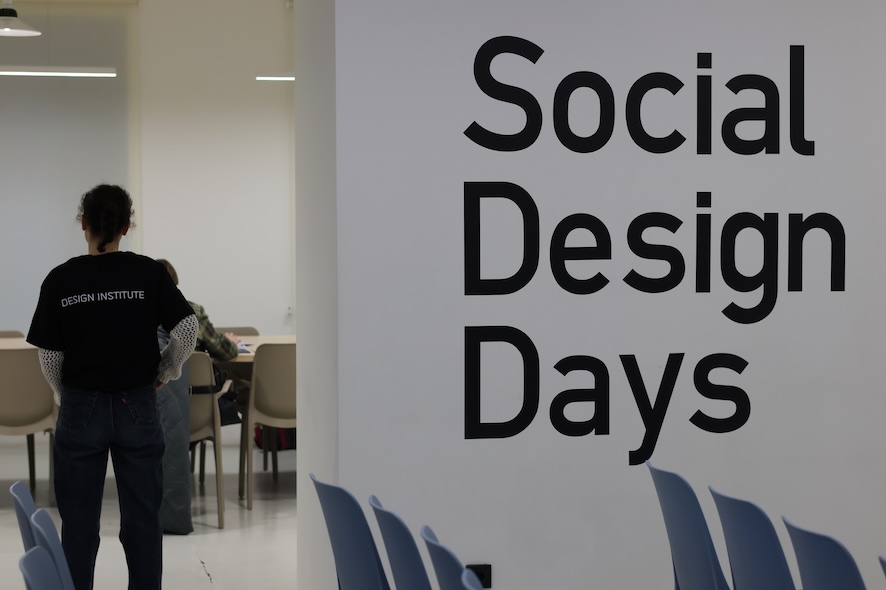
I had the honor of being invited by the Design Institute Tbilisi to deliver a keynote at their Social Design Days. Speaking on “Circular Design and the City,” I had the opportunity to address one of the most pressing challenges—and greatest opportunities—of our time: redesigning urban life beyond waste.
We are currently living in a "double world," as Ezio Manzini beautifully put it: on one side, the remnants of an old system that stubbornly ignores planetary boundaries; on the other, a rising reality that creatively turns these constraints into entirely new opportunities.
As designers, thinkers, and citizens, we must face a radical truth: waste begins on the drawing board. If a product cannot be repaired, disassembled, or reused, that is a design failure, not a consumer failure. The traditional role of the designer as a mere decorator of industrial objects—adding a beautiful shell to products destined for a landfill—is dead.
.png)

.png)
.png)
.png)
.png)
.png)
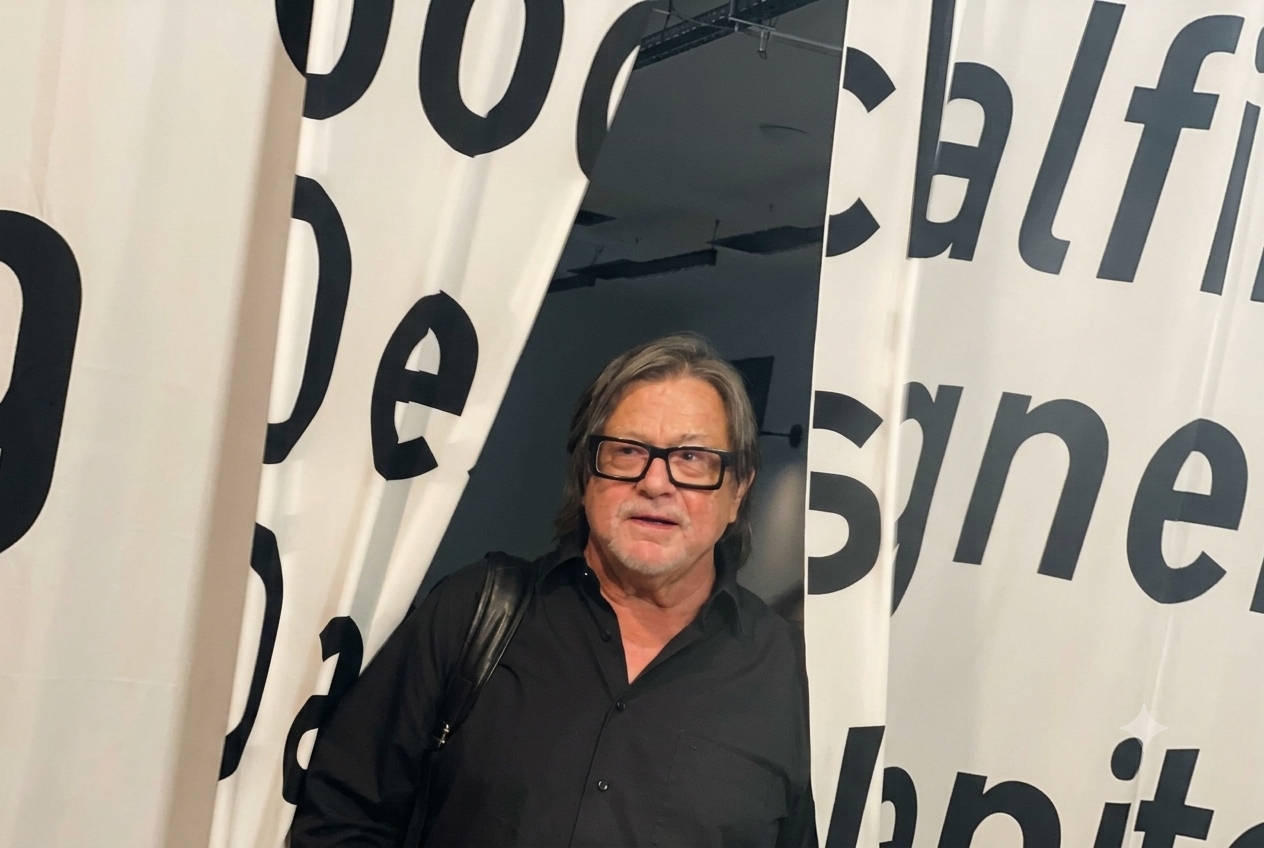
Today, we carry deep strategic and systemic responsibilities. To meet the global crises of our time, I argue that we must embody five new roles as designers:
1. The Design Strategist: Moving away from local, isolated fixes to act as visionary planners who look at the bigger picture and find creative solutions through deeply interdisciplinary approaches at scale.
2. The Researcher: Bringing order to data chaos, detecting real, unvarnished human needs, and carefully contextualizing our environment.
3. The Teamplayer: Acting as facilitators who build collaborative networks, prioritizing open knowledge sharing and co-working over individual competition.
4. The Storyteller: Serving as cultural translators who transform complex, technical expert data into moving, digestible, and actionable narratives.
5. The Visual Communicator: Utilizing strong aesthetic methods as a cognitive tool to help people visualize alternative futures and navigate a complex world with clarity.
When we embrace these roles, we can truly shift our cities from a culture of "more" to a culture of "better." Whether it’s introducing access over ownership (the drill vs. the hole), harvesting materials from the city itself (Urban Mining), or putting Socio Design & Care at the center of our neighborhoods—circularity ceases to be a top-down policy and becomes a living community habit.
Following the keynote, Nino Egadze (Head of Design Institute) moderated an inspiring panel discussion. I was thrilled to exchange ideas with Irakli Zhvania (Architect, Urbanist & Founder of the Tbilisi Architectural Biennial) and Osamu Okamura (Architect, Socio-Designer & Director of the Czech Centre Tbilisi). Our discussion made it clear: true circularity requires breaking down disciplines to merge spatial innovation with social inclusivity. But one thing, of course, is clear: designers alone will not 'save' the world, but they must play their part.